
Home lightning protection is a system, not a product. A single strike carries up to 300 million volts and heat five times hotter than the surface of the sun. Nothing stops that. What a protection system does is give it a route: intercept the strike at the highest point, carry it around the structure, and bury it in the earth. Every piece matters, and every piece is part of our design.
The four links in the chain
- Interception. Air terminals stand at the ridge and every high point, spaced about 20 feet apart, so the strike connects with the system first, not your chimney.
- Conduction. Braided conductor cable ties every terminal together and runs to ground along routes we conceal on the back side of the roof and beside downspouts.
- Bonding. Gutters, vents, and other metal parts get tied into the system, so voltage cannot arc between them and start a fire inside your walls.
- Grounding. Ground rods driven at the base of the home discharge the whole event into the earth, away from wiring, plumbing, and people.
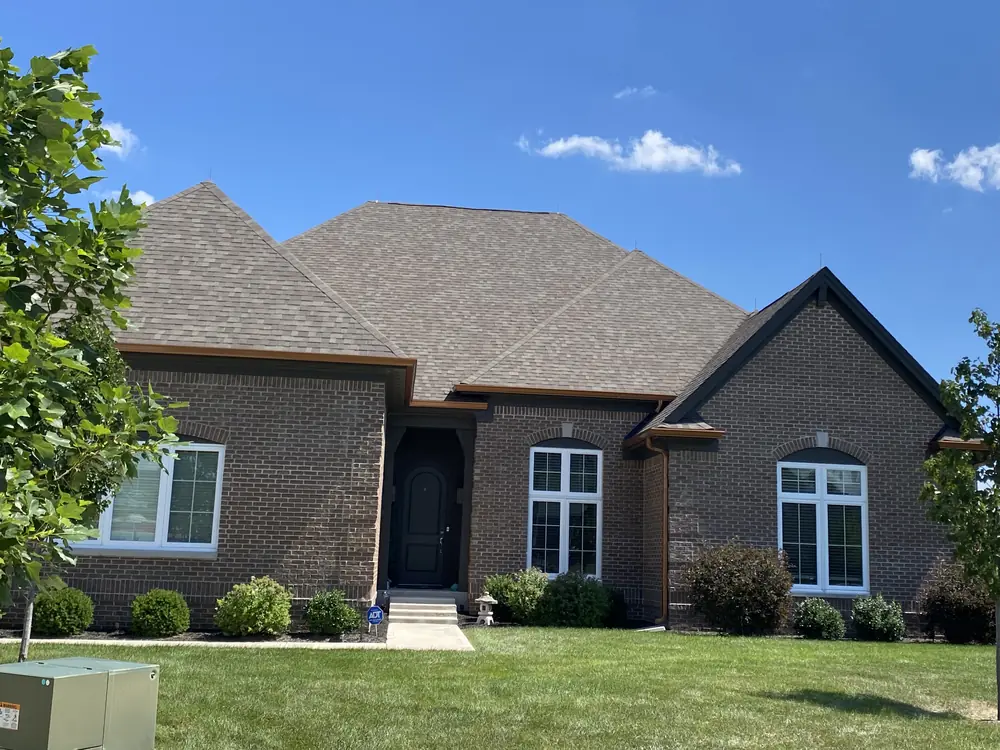
Why homes east of the Mississippi need it most
The states we serve sit in the most lightning-active half of the country. Humid summers feed the storms that hammer the Gulf states, the Ohio Valley, and the Eastern Seaboard year after year. If your home stands tall on open ground, sits at elevation, or is simply the structure you cannot afford to lose, a protection system is cheap insurance against a very expensive afternoon.
Designed as one system, to one standard
We design the complete path from satellite imagery and your photos before quoting a single dollar. Every system we build follows NFPA 780 standards, and every install carries our material and craftsmanship warranty for as long as you own the home. That is the difference between buying lightning rods and buying lightning protection.
Protection questions
The system protects the structure by giving a direct strike a safe path to ground. For sensitive electronics, we recommend pairing it with surge protection at your electrical panel, and we can talk through options during your estimate.
Yes. We regularly protect whole properties: main house, guest house, barns, and detached garages, each with its own designed coverage tied into proper grounding.
Many homeowners tell their insurer after installation, and some carriers offer credits for professionally installed protection. Ask your agent what your policy allows. Either way, the biggest payoff is the claim you never have to file.