
ESE lightning rod installation is a specialty inside a specialty, and one of the services that sets us apart from general contractors who dabble in lightning work. An ESE terminal (early streamer emission) launches its upward streamer earlier in a strike's formation than a conventional rod, which lets one properly mounted terminal protect a wider radius.
Where ESE earns its keep
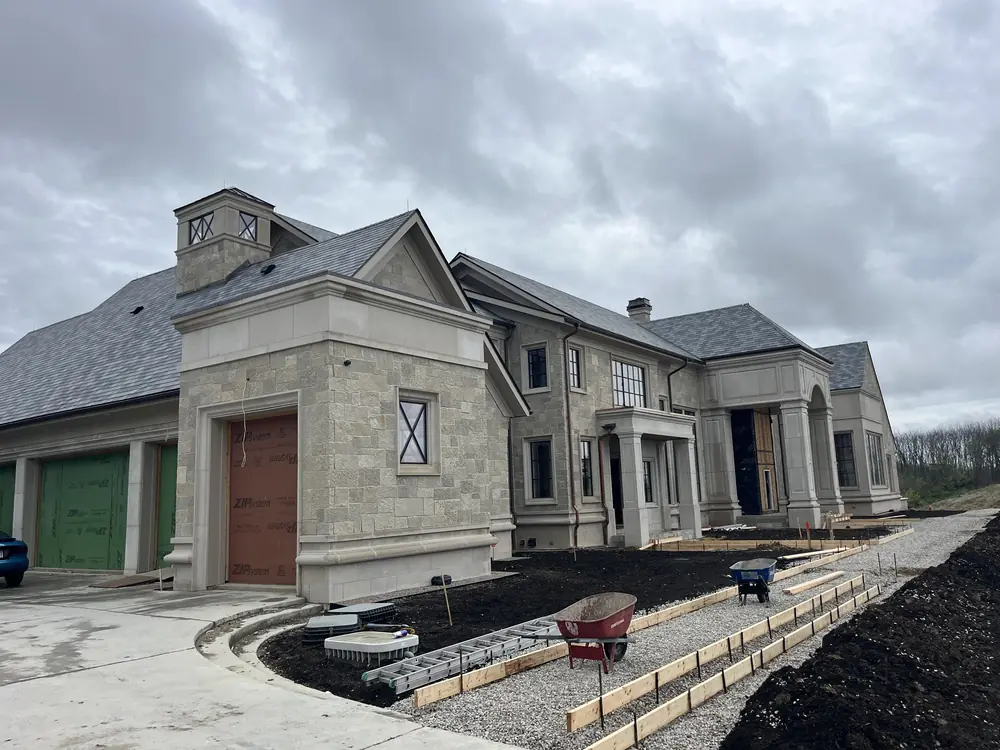
- Large or complex rooflines. Instead of terminals every 20 feet across a sprawling roof, an ESE design can protect the same footprint with far fewer visible components.
- Estates with multiple structures. One elevated ESE terminal can be designed to shelter a main home and nearby structures within its protective radius.
- Homes where looks come first. Fewer terminals means even less to see. Paired with our concealed cable routing, an ESE system nearly disappears.
- High-exposure sites. Hilltops, waterfronts, and open rural properties that take more than their share of strikes.
Honest guidance on a debated technology
We will tell you plainly: ESE performance claims are debated in parts of the industry, and the right answer depends on your property. We install both conventional NFPA 780 systems and ESE systems, so we have no reason to push you toward either. When you send your photos, we design what actually fits the structure, the site, and your budget, and we explain why.
Designed and quoted like everything we do
Photos and satellite imagery first, firm quote second, install day third. ESE systems still need correct mounting height, conductor routing, and grounding to work, and those fundamentals are where 60 years of family experience show up.
ESE questions
Neither is better everywhere. Conventional systems are the NFPA 780 standard and fit most homes. ESE shines on large or complex properties where fewer terminals matter. We quote what fits your property, not what pads the invoice.
Absolutely. Every lightning protection system, ESE included, is only as good as its path to earth. Conductor cable and deep grounding are part of every ESE design we build.
Often yes, especially when an addition or new outbuilding extends past the old system's coverage. Send photos and we will design the cleanest way to close the gap.